AI Fashion Photography: The Complete Guide for Fashion Brands in 2026
Discover how AI fashion photography helps ecommerce brands create professional product, model and editorial images faster and at a lower cost.

Janjan Team
Author
Fashion photography has traditionally required a large team, specialist equipment, physical locations and weeks of planning. A single campaign may involve photographers, models, stylists, makeup artists, studio hire, transport, retouching and multiple rounds of approval.
For established brands, this process is expensive but manageable. For smaller ecommerce businesses, independent designers and fast-growing fashion retailers, it can become a major obstacle.
AI fashion photography offers a different approach.
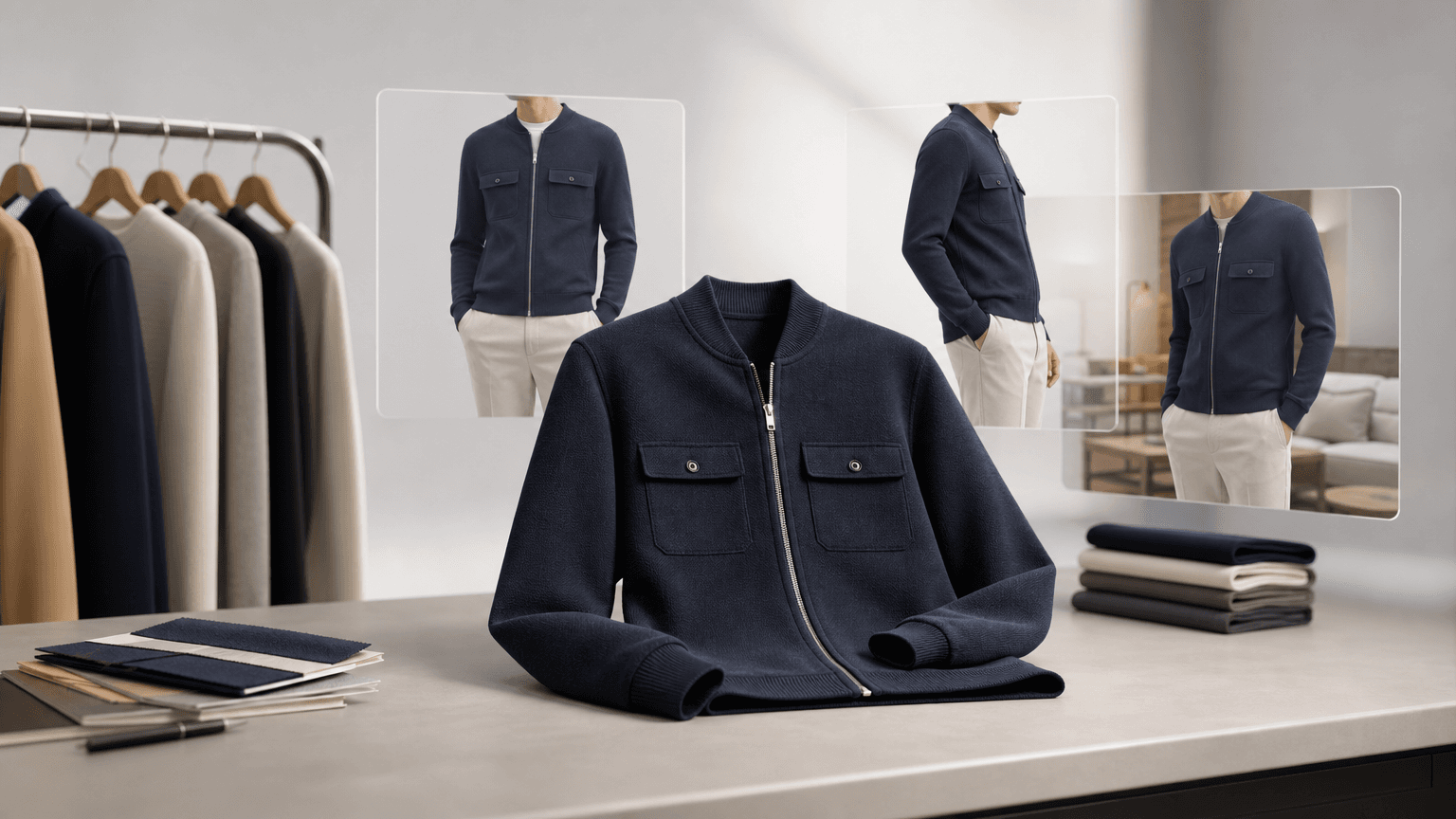
Instead of organising a new physical photoshoot for every product, colour or campaign, fashion brands can use artificial intelligence to create professional product imagery from existing garment photographs. A flat-lay image, mannequin photograph or basic product photo can become a polished model shot, lifestyle image or editorial campaign visual.
This guide explains what AI fashion photography is, how it works, where it can be used and what fashion brands should consider before adopting it.
What Is AI Fashion Photography?
AI fashion photography is the use of generative artificial intelligence to create or transform images for fashion marketing and ecommerce.
Depending on the platform, a brand may be able to:
- Place a garment on an AI-generated fashion model
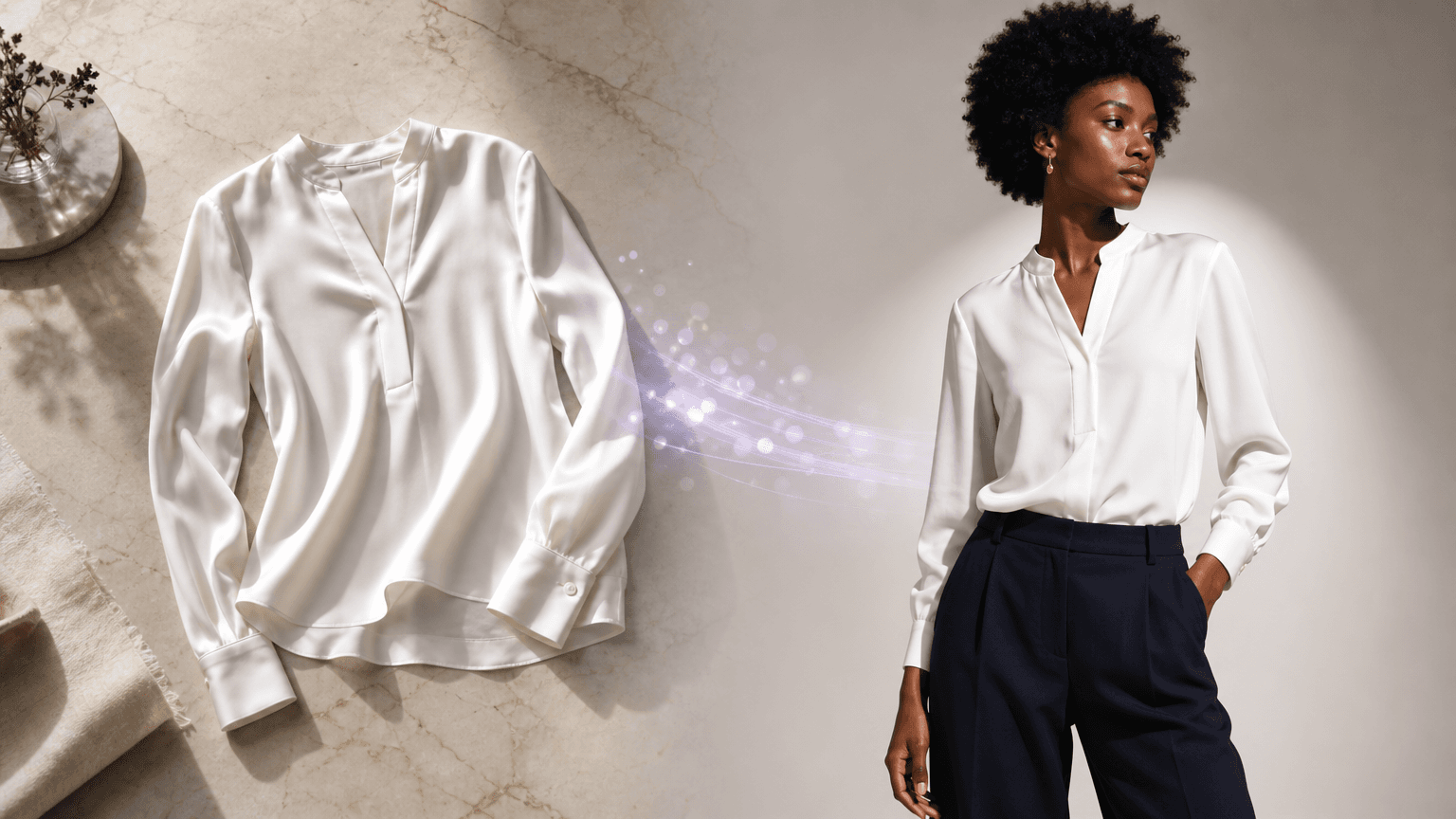
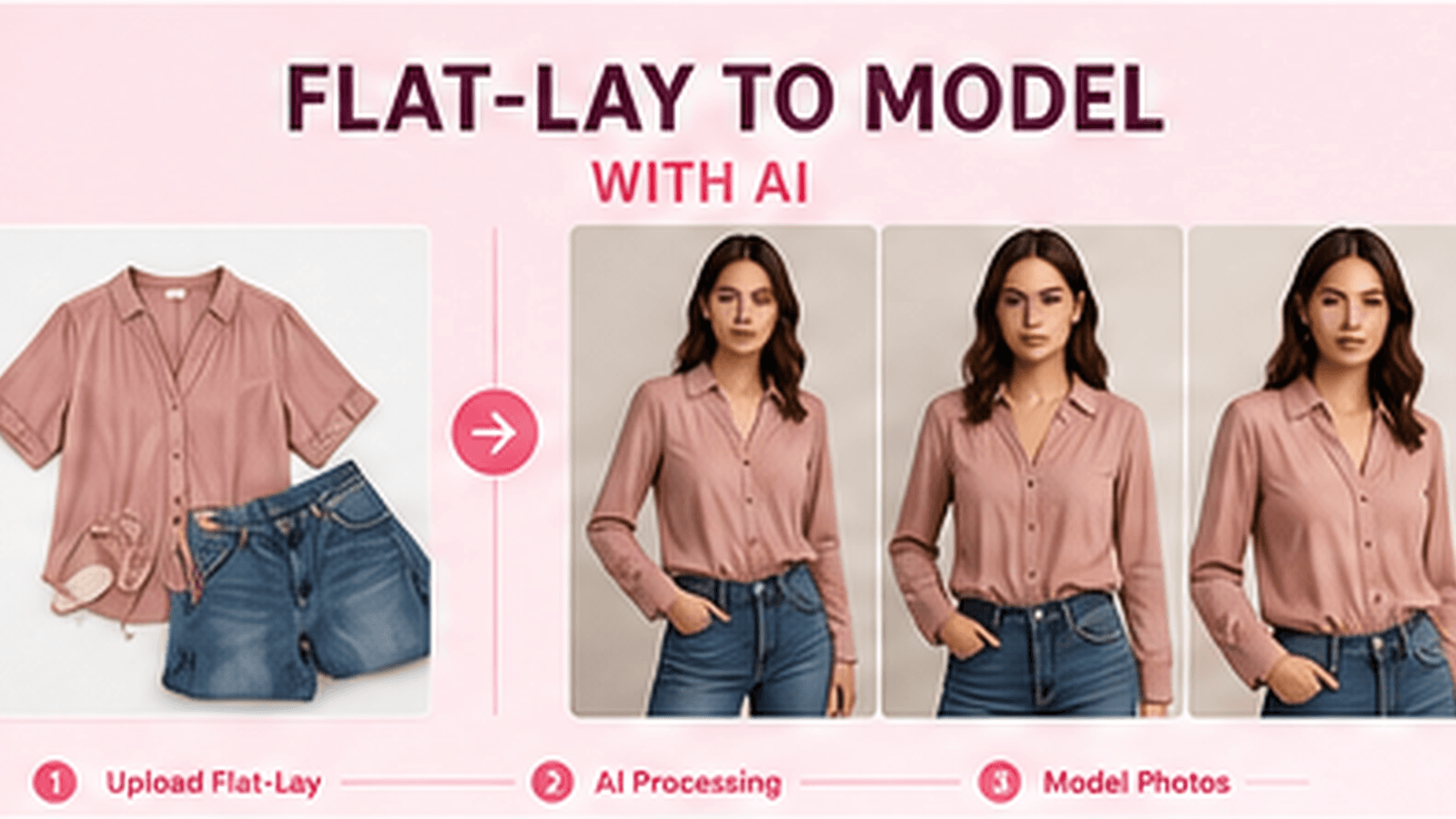
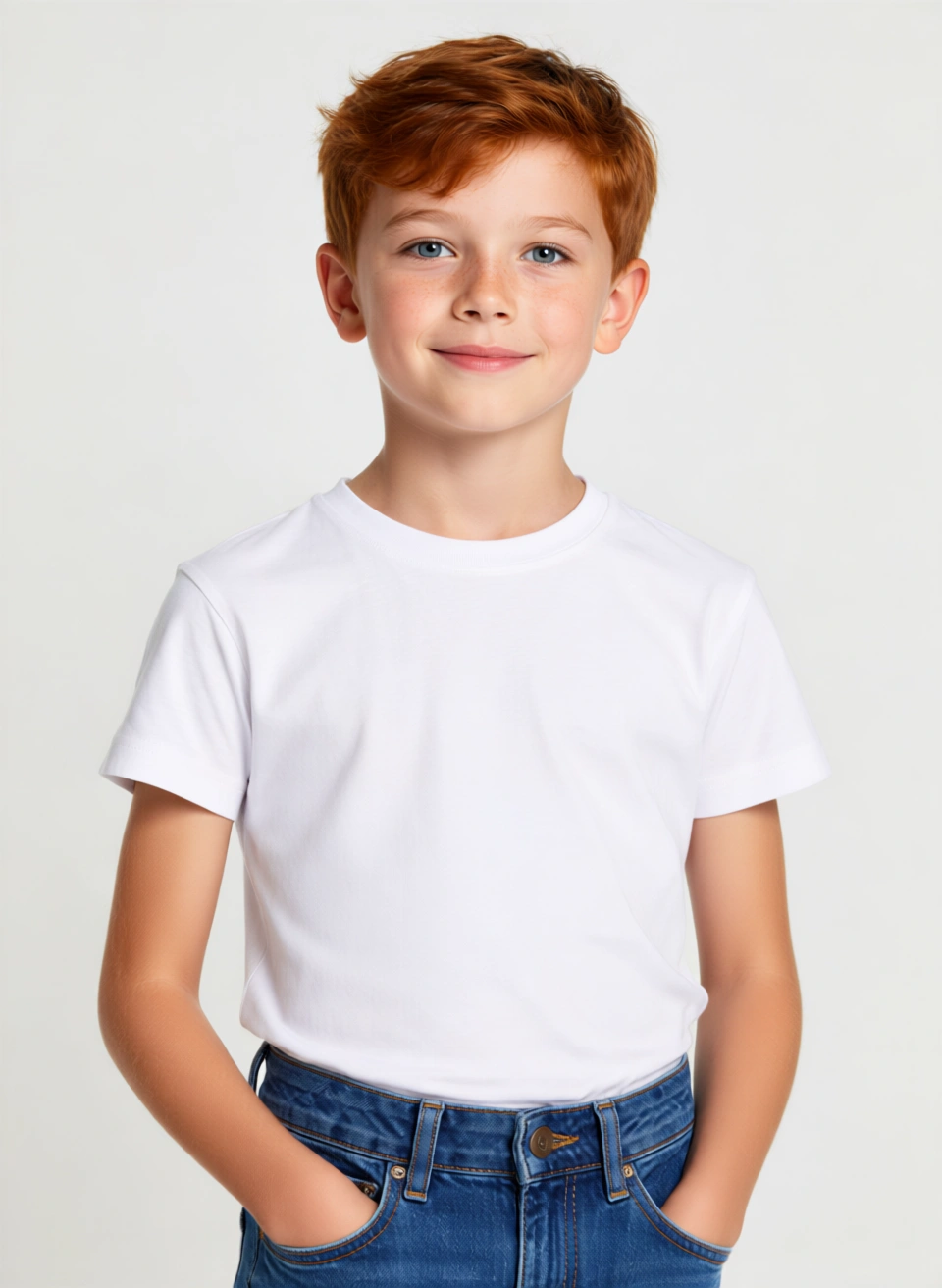
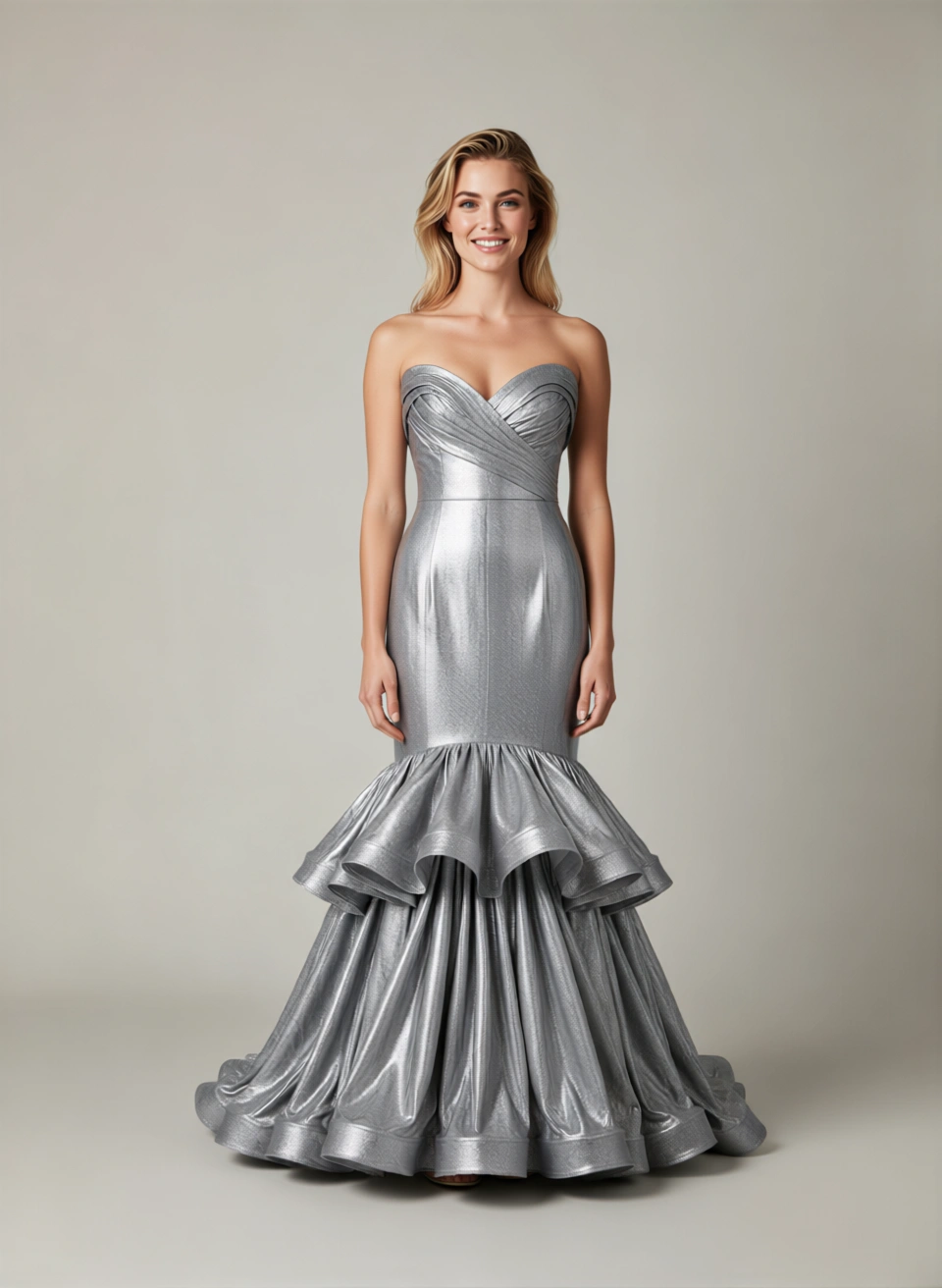
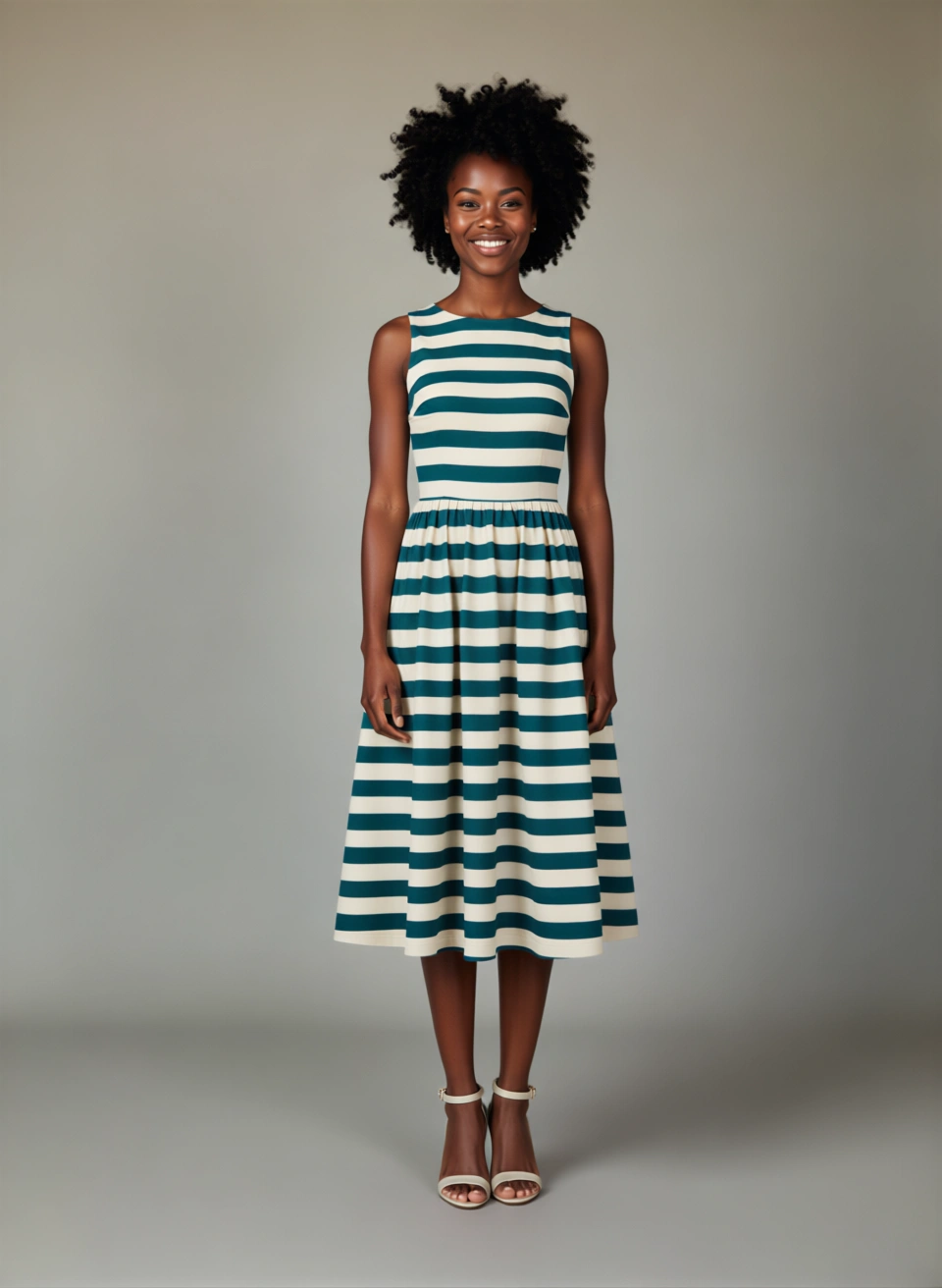
- Transform a flat-lay product image into an on-model photograph
- Replace a mannequin with a realistic human model
- Change the model, pose or setting
- Generate campaign and editorial imagery
- Create several visual variations from one product
- Produce images for websites, marketplaces and social media
- Extract garments from existing model photographs
- Adjust image dimensions, crops and colours
The aim is not simply to create an attractive AI image. For ecommerce, the image must still represent the product accurately.
The garment’s colour, shape, fit, fabric, stitching, print and construction should remain recognisable. A visually impressive image is not useful if it changes the product customers will receive.
How Does AI Fashion Photography Work?
The workflow varies between platforms, but it generally begins with a source image.
This might be:
- A flat-lay photograph
- A ghost mannequin image
- A mannequin photograph
- A garment-only product image
- A model photograph
- A basic studio image
- A supplier image
The user then selects or provides additional creative direction, such as:
- The model
- Body type
- Pose
- Camera angle
- Background
- Lighting
- Scene
- Image format
- Campaign style
The AI processes these inputs and generates a new image that combines the original product with the selected model or environment.
A specialised AI fashion platform should make this process easier than a general-purpose image generator. Fashion teams should not need to write complicated prompts or repeatedly explain how the garment should look.
The platform should understand that product accuracy is more important than unrestricted creativity.
Traditional Photoshoots vs AI Fashion Photography
Traditional photography and AI photography are not necessarily competing formats. Many brands will continue using both.
However, they have different strengths.
| Factor | Traditional Photoshoot | AI Fashion Photography |
|---|---|---|
| Preparation | Requires planning, booking and coordination | Can begin with existing product images |
| Production time | Often days or weeks | Often minutes |
| Cost | Includes models, photographers, studios and logistics | Usually subscription or credit-based |
| Reshoots | May require booking the team again | New versions can be generated quickly |
| Variations | Each variation requires additional production | Multiple models, poses and scenes can be created |
| Product handling | Physical samples are usually required | Can work from uploaded images |
| Creative control | Controlled during the shoot and retouching | Controlled through model, scene and styling selections |
| Scalability | Becomes more complex with larger catalogues | Designed for generating images at scale |
Traditional photography remains valuable for flagship campaigns, high-concept creative direction and situations where complete physical control is essential.
AI becomes particularly useful for catalogue expansion, product testing, localisation, social content, seasonal campaigns and high-volume ecommerce production.
The Main Benefits of AI Fashion Photography
1. Faster Content Production
Fashion moves quickly.
A delayed photoshoot can mean a delayed product launch. A missed seasonal campaign can reduce the commercial value of an entire collection.
AI photography allows brands to create visual content as soon as suitable product images are available. This can reduce the time between product preparation and publication.
Instead of waiting for a complete production schedule, teams can generate, review and export images within the same workflow.
2. Lower Production Costs
A physical photoshoot may include:
- Photographer fees
- Model fees
- Studio rental
- Styling
- Hair and makeup
- Equipment
- Travel
- Catering
- Sample shipping
- Post-production
- Retouching
AI photography reduces the number of physical resources required for many types of ecommerce imagery.
For some workflows, platforms such as Janjan can help brands reduce fashion photography costs by up to 80%, depending on the original production process and the number of images required.
3. More Images Per Product
A traditional shoot may produce a limited number of final photographs for each garment.
With AI, one product can be shown:
- On different models
- In different poses
- Against multiple backgrounds
- In studio and lifestyle settings
- In square, portrait and landscape formats
- Across seasonal campaigns
- In social media-specific dimensions
This gives marketing teams more flexibility without requiring a new shoot for every channel.
4. Greater Model Diversity
Fashion brands often need imagery that reflects different audiences and markets.
AI fashion photography can make it easier to present products on models with different:
- Ages
- Skin tones
- Ethnic appearances
- Body types
- Hair styles
- Visual identities
This should be handled thoughtfully. Diversity should not feel random or performative. The selected models should align with the brand, customer base and campaign context.
5. Consistent Brand Presentation
Consistency is especially important for ecommerce catalogues.
When product images are created across different studios, suppliers or seasons, variations in lighting, framing and backgrounds can make a website feel disconnected.
An AI workflow can help standardise:
- Image dimensions
- Backgrounds
- Model direction
- Framing
- Lighting style
- Cropping
- Product positioning
A more consistent catalogue can create a cleaner and more professional shopping experience.
Common AI Fashion Photography Use Cases
Flat-Lay to Model
A flat-lay image shows the garment clearly but does not communicate how it looks when worn.
AI can transform the garment into an on-model image, helping shoppers understand its proportion, styling and overall appearance.
This is useful for brands that receive flat-lay or supplier images but do not have model photography for every item.
Mannequin to Human Model
Mannequin photography is efficient but can feel less engaging.
AI can replace the mannequin with a realistic model while preserving the garment’s visible construction and fit.
This gives brands a way to upgrade existing catalogue images without photographing the products again.
Editorial Campaign Images
Editorial imagery gives a brand personality.
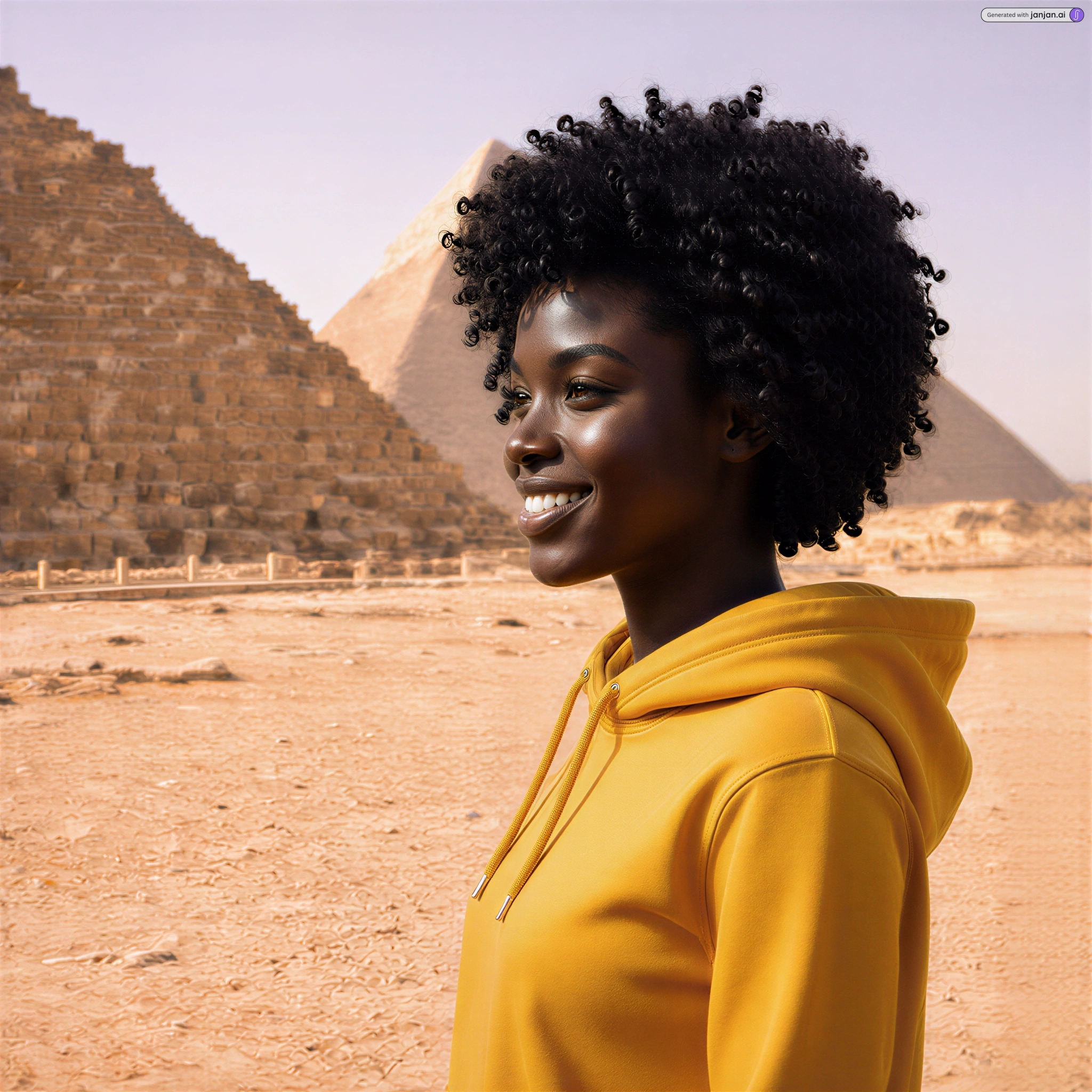
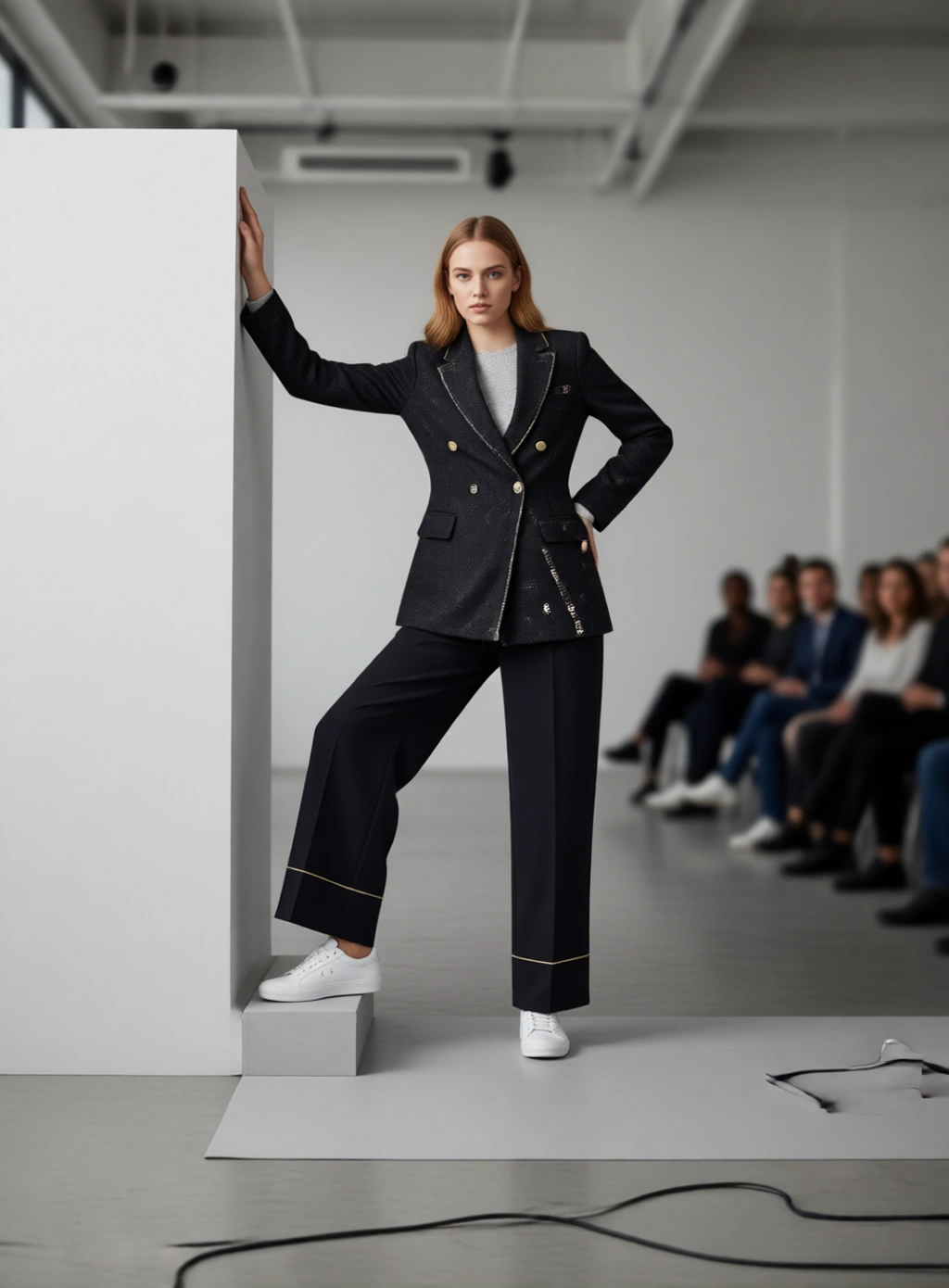
Instead of displaying every garment against the same plain background, brands can create campaign images in locations and visual styles that support a specific story.
Examples include:
- Minimal architectural interiors
- European street scenes
- Coastal locations
- Modern studios
- Luxury hotel environments
- Seasonal outdoor settings
- Clean monochrome campaigns
The most effective editorial image should still keep the garment as the central subject.
Social Media Content
Social channels require a constant supply of new imagery.
AI can help brands create:
- Instagram posts
- Story images
- Campaign galleries
- Product launch visuals
- Seasonal content
- Alternative crops
- Creative variations
A product image created for an ecommerce page can be adapted into several social formats without organising another shoot.
Product Testing
Brands can also use AI imagery before committing to a full physical campaign.
Different models, locations and styling directions can be tested internally. The team can then identify the strongest creative approach before investing in a larger production.
What Makes a Good AI Fashion Image?
A strong AI fashion image is not only realistic. It must also be commercially useful.
Product Accuracy
The product should remain faithful to the source image.
Important details include:
- Colour
- Pattern
- Texture
- Fabric weight
- Neckline
- Sleeve length
- Hemline
- Fastenings
- Pockets
- Stitching
- Printed graphics
- Branding
- Hardware
Small changes can create customer confusion and increase the risk of returns.
Natural Fit
The garment should sit naturally on the model.
The AI should understand how different fabrics behave. A structured jacket should not drape like silk, and a loose cotton T-shirt should not appear tightly fitted unless the original garment is designed that way.
Realistic Skin and Anatomy
Customers notice unnatural faces, plastic-looking skin, distorted hands and incorrect body proportions.
High-quality outputs should include:
- Natural skin texture
- Realistic facial details
- Correct limbs and hands
- Balanced body proportions
- Physically believable poses
- Appropriate shadows
Suitable Lighting
The lighting should match the background and the garment.
A model placed in an outdoor scene should not retain flat studio lighting. Likewise, a clean ecommerce image should not contain distracting dramatic shadows unless they are intentional.
Consistency Across the Collection
A single strong image is useful. A consistent collection is more valuable.
The model’s identity, lighting, framing and overall visual direction should remain stable across related products and campaigns.
What Are the Limitations?
AI fashion photography is improving quickly, but it is not perfect.
Common challenges include:
- Small logos or printed text
- Intricate patterns
- Reflective materials
- Transparent fabrics
- Layered garments
- Complex jewellery
- Unusual poses
- Hands covering important garment details
- Very low-quality source images
The quality of the input also matters. Blurry photographs, hidden garment sections or extreme shadows make it harder for the system to understand the product.
Brands should review every generated image before publishing it. AI should accelerate the workflow, not remove quality control.
How to Prepare Product Images for Better Results
For the strongest results:
- Use a clear, high-resolution source image.
- Make sure the garment is fully visible.
- Avoid harsh shadows covering important details.
- Use a simple background where possible.
- Include additional angles for complex products.
- Check that colours are accurate.
- Remove unrelated objects from the frame.
- Use separate images for tops, bottoms and footwear when appropriate.
- Review prints, graphics and branding carefully.
- Compare the final result directly with the original product.
The cleaner the source material, the easier it is to preserve the garment accurately.
How Janjan Supports Fashion Ecommerce Teams
Janjan is an AI Fashion Studio designed specifically for fashion ecommerce.
Brands can use Janjan to:
- Transform flat-lay garments into professional model photographs
- Replace mannequins with realistic AI models
- Choose models and editorial scenes
- Create campaign-ready visuals
- Extract clean garment images from existing photographs
- Build an organised garment library
- Resize, crop and adjust generated images
- Import products from Shopify
- Sync approved images back to Shopify
- Publish image galleries and stories to Instagram
The workflow is designed to reduce the need for complicated prompt engineering. Instead of starting from an empty text box, fashion teams can work through a visual production process built around products, models and scenes.
Will AI Replace Traditional Fashion Photography?
AI is unlikely to eliminate traditional photography completely.
Physical shoots remain important for:
- Major brand campaigns
- Celebrity collaborations
- Detailed video production
- Highly specific art direction
- Behind-the-scenes content
- Events and live environments
- Campaigns requiring physical interaction between several subjects
However, AI is likely to change how brands allocate their photography budgets.
Instead of using physical shoots for every colour, product and channel, teams can reserve them for their highest-value creative work. AI can then support catalogue expansion, regional variations, social content and ongoing ecommerce production.
The result is not necessarily fewer creative opportunities. It can mean more content, faster experimentation and greater access to professional imagery.
Final Thoughts
AI fashion photography gives ecommerce brands a faster and more scalable way to create visual content.
Its value is strongest when it solves real production problems:
- A product needs to launch quickly
- A catalogue contains hundreds of items
- Model photography is missing
- New campaign variations are required
- Social media needs more content
- Traditional production costs are too high
- Visual consistency is difficult to maintain
The technology should not be judged only by whether an image looks impressive. It should be judged by whether the image represents the product accurately, supports the brand and helps customers make a confident purchase.
That is the direction AI fashion photography is moving towards: not simply generating pictures, but becoming part of the complete ecommerce production workflow.
Explore Janjan.ai and turn your existing product images into professional fashion content.